
Quick answers
- Why does grout turn black or moldy in Florida homes?
- Grout is porous, and Florida's high humidity, frequent moisture, and hard water let mildew and mineral staining build up inside the grout lines. In wet areas like showers and around pools, that trapped moisture feeds dark, black mildew that ordinary mopping cannot remove.
- Can black, moldy grout be restored, or does it have to be replaced?
- In most cases it can be restored. Professional deep cleaning followed by color sealing removes the discoloration and adds a protective barrier. Replacement is only needed when the grout is cracked, crumbling, or missing, not just stained.
Grout Is Porous, and That's the Root of the Problem
Standard grout is a porous, cement-based material full of tiny openings. Those pores soak up water, soap residue, and airborne grime, and they give mildew and bacteria a place to settle in and grow. Once that growth takes hold below the surface, wiping the top does almost nothing.
This is why grout that looks clean right after mopping turns dark again within days. The discoloration lives inside the grout, not on top of it, so surface cleaning never reaches the source.
Why Central Florida Is Especially Tough on Grout
Few climates challenge grout the way Central Florida does. The combination of heat, humidity, and moisture creates close to ideal conditions for mildew, especially through the long, wet summers.
On top of the humidity, many area homes have hard water, which leaves mineral deposits that add their own gray and white staining. Add showers, kitchens, lanais, and pool decks that stay damp, and grout here simply has more working against it than grout in a dry climate.
- High year-round humidity keeps grout damp longer
- Long, wet summers accelerate mildew growth
- Hard water leaves mineral staining in the lines
- Showers, pools, and lanais create constant moisture exposure
- Tile is the dominant flooring here, so there's a lot of grout to maintain
Black Stains vs. Actual Mold: What You're Seeing
Most of the dark discoloration homeowners call mold is mildew, a surface-feeding fungus, combined with trapped grime and mineral deposits. In persistently wet, poorly ventilated areas, true mold can also establish itself in the grout.
Either way, the fix is the same starting point: the grout has to be professionally deep cleaned to pull the staining and growth out of the pores. Once it is genuinely clean, the goal shifts to keeping moisture from getting back in.
Mildew vs. Mold vs. Hard-Water Staining
Not all dark or dingy grout is the same. Knowing what you are looking at helps explain why surface cleaning never lasts:
| What it is | How it looks | What fixes it |
|---|---|---|
| Mildew | Black or dark streaks in damp areas | Deep clean, then seal to block moisture |
| Mold | Persistent dark growth in wet, poorly ventilated spots | Deep clean, seal, and improve ventilation |
| Hard-water staining | Gray, white, or chalky buildup near sinks and showers | Professional cleaning, then sealing to slow return |
What Actually Stops Grout From Turning Black Again
Cleaning alone is temporary in a humid climate, because the porous grout simply re-absorbs moisture and the cycle restarts. The lasting fix is to clean deeply and then seal the grout so water and mildew cannot get back inside.
Color sealing is particularly effective here. It restores a uniform color and creates a protective barrier across every grout line, dramatically slowing the return of dark stains. Routine maintenance and good ventilation then keep the results looking fresh much longer.
- Professional deep cleaning to remove embedded mildew and staining
- Grout sealing or color sealing to lock out moisture
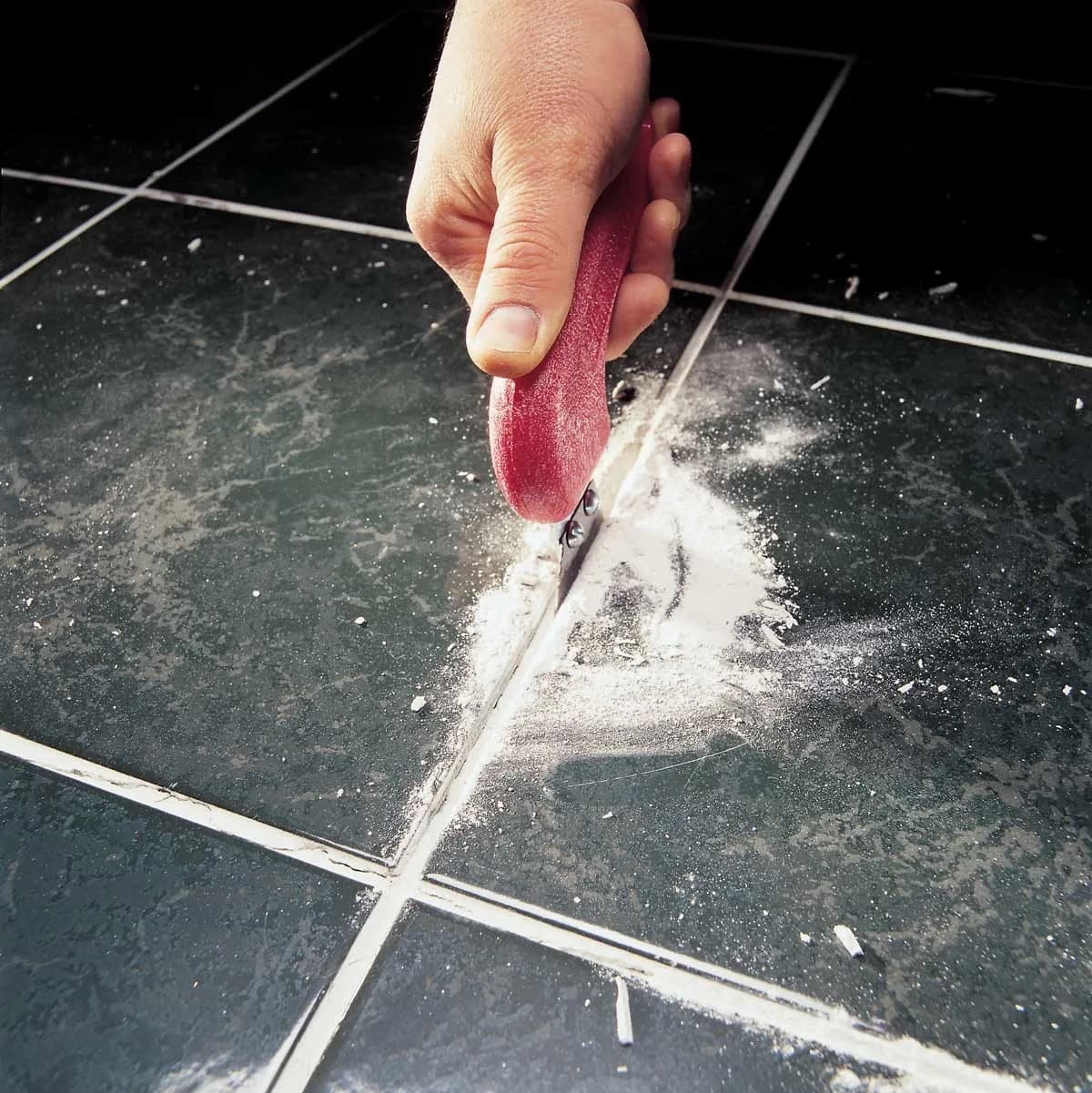
- Re-grouting first where grout is cracked or missing
- Good ventilation and routine maintenance to extend results
Why Homeowners Choose The Grout Restorer
The Grout Restorer has been fighting Florida's humidity and hard water for local homeowners since 1970. As a family-owned company based in Altamonte Springs and serving Greater Orlando, we understand exactly why grout fails here and how to make it last.
Owner Martin Cawley and the team focus on restoring your existing grout instead of replacing it whenever possible. We offer free on-site estimates and flat, written pricing, so you can find out what your discolored grout really needs with no cost and no pressure.