
Short answer: If your bathroom tile feels slick when it's wet, it's a slip risk — and an anti-slip tile treatment can fix it without replacing the tile. The treatment creates microscopic traction on the tile surface, so wet floors grip better underfoot, with no change to tile color or finish. It's most useful on shower floors, bathroom floors, entryways, and pool decks, especially in homes with older adults or young children.
Why Is Bathroom Tile So Slippery When Wet?
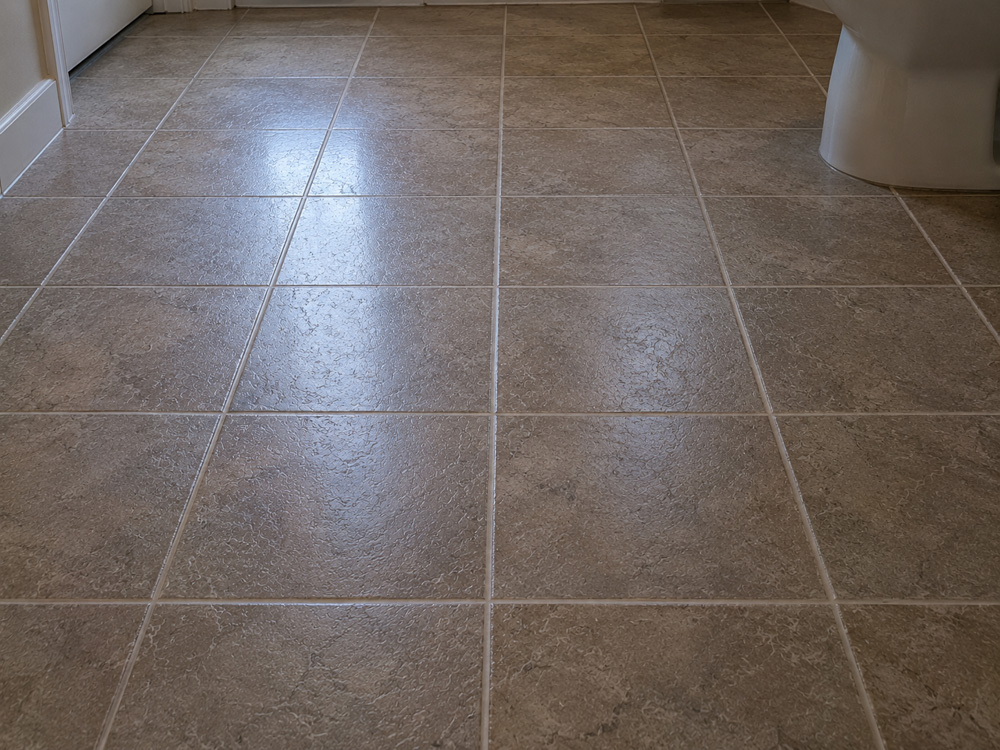
Many popular bathroom tiles — glazed ceramic and polished porcelain — have a smooth surface that looks clean and reflects light. That same smoothness lets a thin layer of water, soap, or lotion act like a lubricant. Shower floors get the worst of it: water, body wash, and bare feet all at once.
Who Is Most at Risk?
Falls are a serious concern for older adults. According to the CDC, about 1 in 4 adults age 65 and older reports falling each year. Bathrooms are a common place for slips because they combine hard surfaces and water. Homes with grandparents visiting, aging-in-place plans, young kids, or rental guests unfamiliar with the floors benefit most from added traction.
How Does Anti-Slip Tile Treatment Work?
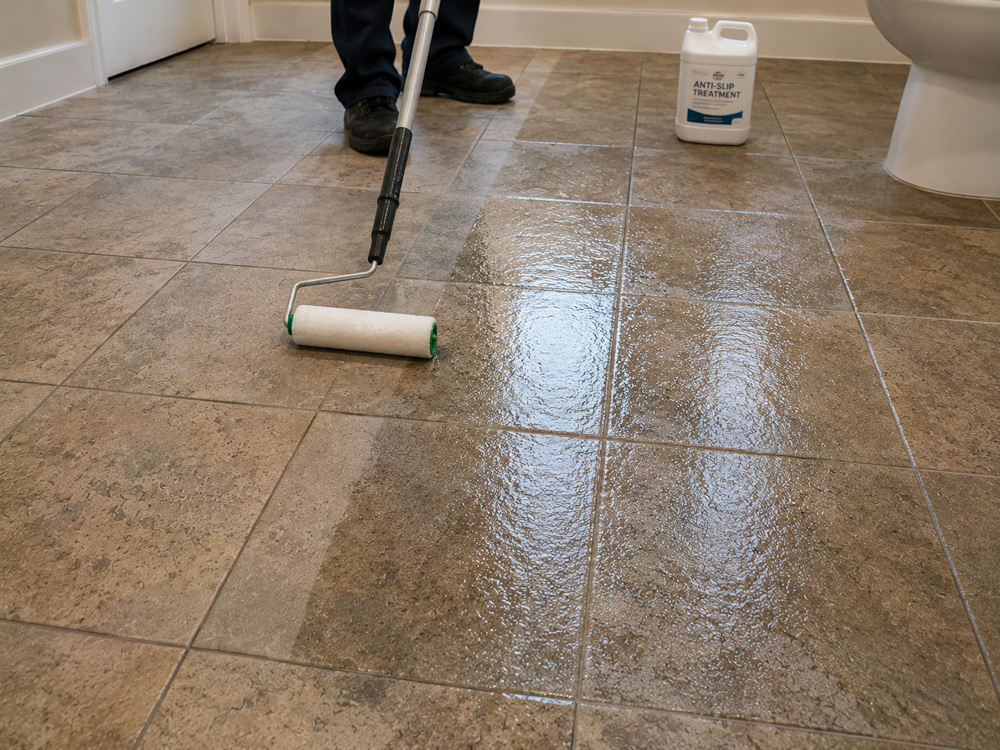
A professional-grade solution is applied to the tile and carefully timed. It then gets rinsed and neutralized, leaving microscopic texture that increases grip when the surface is wet. Because nothing is coated on top, there's no film to peel or wear off in patches, and the tile looks the same as before. Learn more on our anti-slip treatments page.
Where Should You Use Anti-Slip Treatment?
- Shower floors — the highest-risk wet surface in most homes
- Bathroom floors outside the tub or shower
- Entryways where rain gets tracked in
- Pool decks and lanais — see our guide to pool deck tile and anti-slip safety
- Rental and vacation homes with frequent new guests
Does Anti-Slip Treatment Replace Grab Bars or Mats?
No — it adds to them. Grab bars, good lighting, and a dry-off routine all still matter. What the treatment does is make the floor itself less slippery, without a rubber mat that traps mildew underneath.
Frequently Asked Questions
Will anti-slip treatment change how my tile looks?
No. The treatment is invisible and doesn't change the tile's color or finish. Most people can't tell which floor was treated until they step on it wet.
Does it work on every type of tile?
It works on many common ceramic and porcelain tiles, but not every surface is a good candidate. We check your tile during the free assessment and tell you upfront whether treatment will help.
Should I restore my grout before treating the tile?
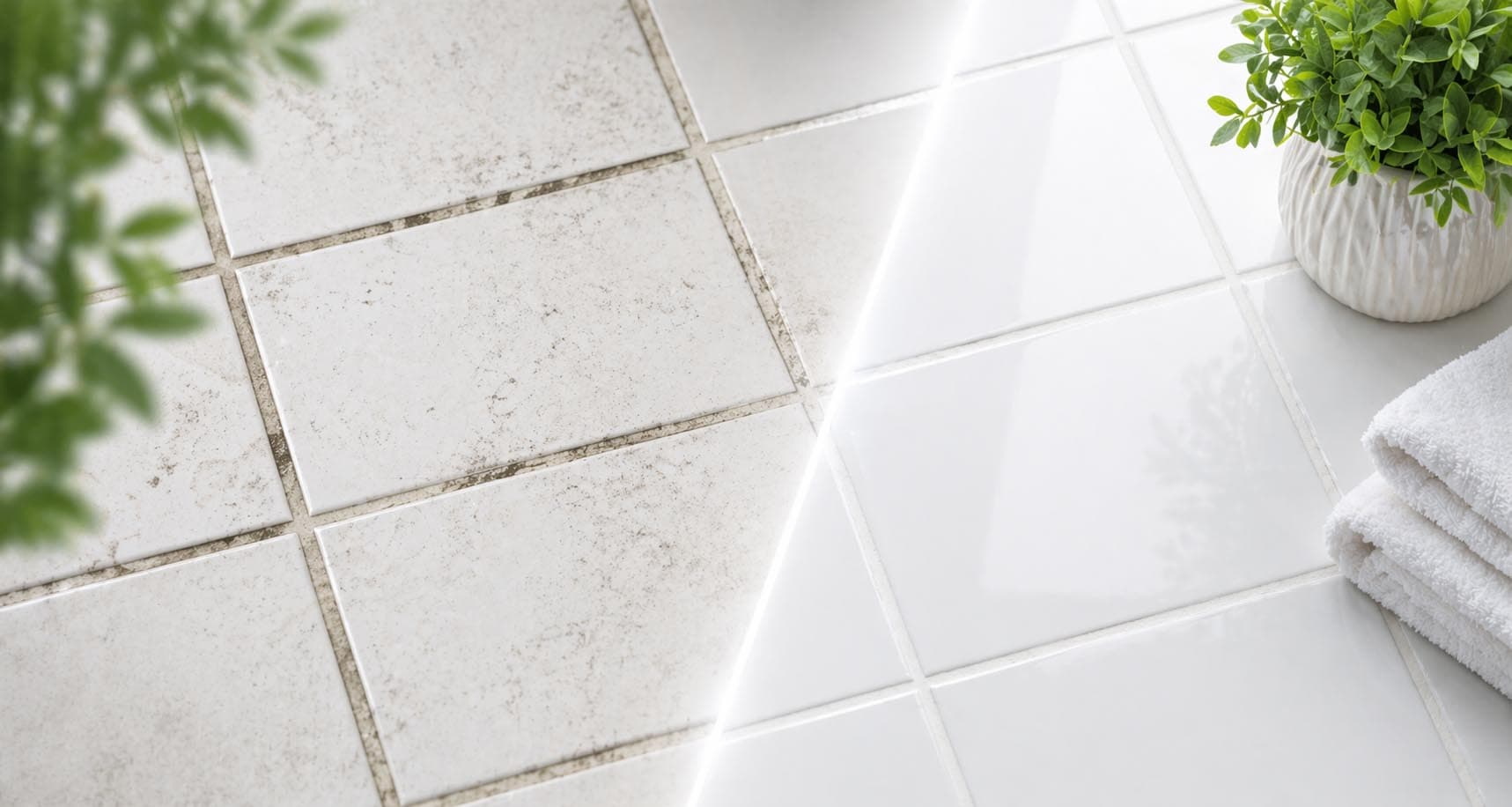
If your shower also has stained grout or failing caulk, it makes sense to handle those first — often during the same visit — so the whole shower is clean, sealed, and safer at once. See what's involved in a full tile and grout restoration.
The Grout Restorer is based in Altamonte Springs and has served Central Florida homeowners since 1970. Owner Martin Cawley's small team does every job directly.
Rated 4.9 stars on Google · Free on-site assessments · Mon–Sat, 8 AM–6 PM · 407-256-3522
Last updated: November 2026