

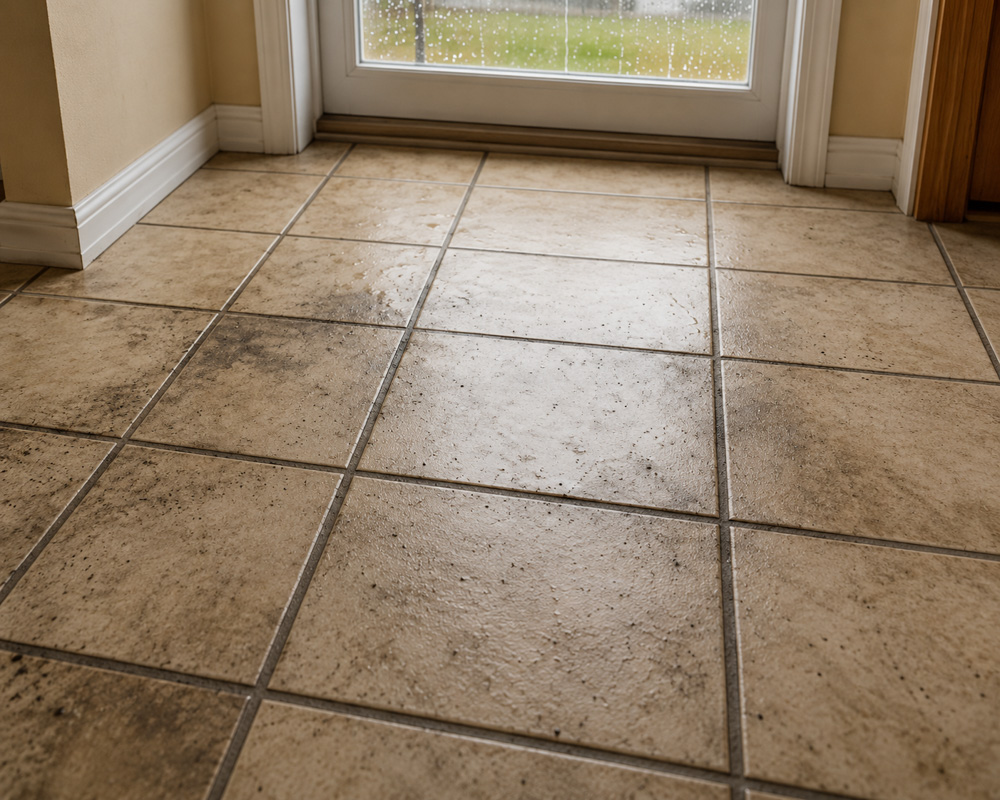
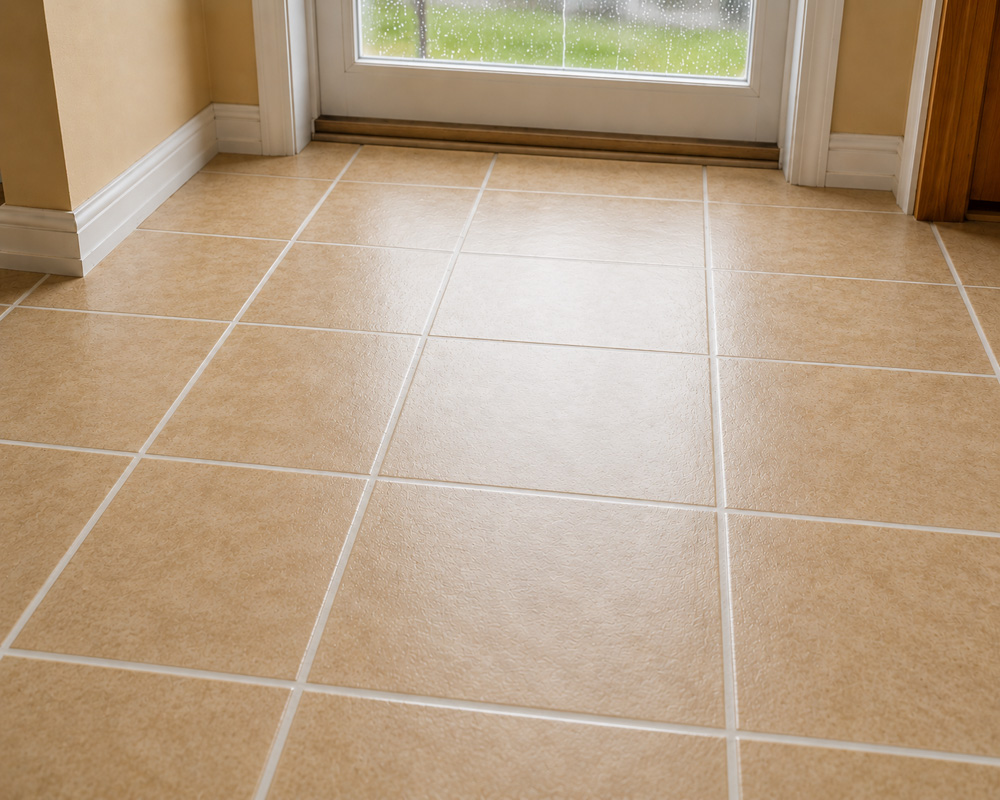
Short answer: If your Casselberry home sat closed for the summer, check the tile before guests arrive. Months of heat and humidity in a closed house can leave mildew in shower grout, caulk that has cracked or pulled away, and floors and pool decks that have collected grime and lost traction. A quick walk-through of showers, floors, entryways, and the lanai tells you whether a simple cleaning will do or something needs repair.
Why Does Tile Suffer in a Closed-Up Florida Home?
Central Florida summers bring long stretches of heat, high humidity, and daily storms. When a home is closed up with the A/C set high, moisture lingers — especially in showers that haven't been run or aired out for months. Grout is porous, and once its sealer wears thin it absorbs that moisture, which is when mildew takes hold. Hurricane season also runs through November 30 (per the National Hurricane Center), so storm-driven humidity can add to the problem. Late fall brings drier air, making it a good time to reset.
What Should You Check First?
- Showers and tubs. Look for dark spots in the grout and along the caulk lines. Run the water and check that caulk at the tub edge and corners is still sealed. Cracked or peeling caulk is a quick fix with professional caulking and sealing.
- Grout color. Blotchy or darker-than-you-remember grout means the sealer is worn and dirt has soaked in.
- Floors. Walk every tiled room. Note any cracked grout lines or tiles that sound hollow underfoot.
- Entryway. Front-door tile takes the most traffic and shows wear first.
- Pool deck and lanai. Wet tile that feels slick is a fall risk, especially for visiting kids or grandparents. Our anti-slip treatment adds traction without changing how the tile looks.
What If You Have a Rental or Vacation Home?
Homes that sit empty for weeks or months between visits need the same check every time they're opened up. Many owners set up scheduled tile and grout maintenance so deep cleanings, sealer checks, and small repairs happen on a set schedule instead of becoming surprises. Anti-slip treatment is also popular for rentals, where guests may not be used to wet tile.
How Do You Keep It From Happening Next Summer?
- Seal or color seal grout so moisture can't soak in.
- Leave bathroom doors open and run exhaust fans when you're home.
- Ask a neighbor or property manager to run showers occasionally.
- Keep the A/C set to control humidity, not just temperature.
For more on how moisture affects tile, read how Florida humidity damages grout and how hard water affects tile in Casselberry homes.
Frequently Asked Questions
Is mildew in shower grout after summer a sign of a bigger problem?
Usually it means the grout's sealer has worn thin and humidity did the rest. If the mildew cleans off and the grout is firm, cleaning and sealing will fix it. If it returns right away or the grout is crumbling, the grout likely needs replacing.
How soon before the holidays should I book tile work?
As early as you can. Late November and December fill up quickly, and some services — like recaulking — need curing time before the shower can be used.
Do you work on homes when the owner isn't there?
Ask us during your assessment. We'll talk through access and scheduling for seasonal and rental properties.
The Grout Restorer has cared for homes in Casselberry and across Central Florida since 1970. Owner Martin Cawley's small team does every job — no subcontractors.
Rated 4.9 stars on Google · Free on-site assessments · Mon–Sat, 8 AM–6 PM · 407-256-3522
Last updated: November 2026
