
Short answer: Grout cleaning is for grout that is stained or dingy but still solid; grout restoration is for grout with deep staining, mold, or wear that cleaning alone can't reverse. Professional grout cleaning pulls out embedded dirt and seals the lines. Full tile and grout restoration goes further, treating the problem areas below the surface and sealing the whole floor or shower. If the grout is crumbling or missing, neither is enough — that calls for re-grouting.
Grout Cleaning vs. Grout Restoration at a Glance
| Grout Cleaning & Color Sealing | Tile & Grout Restoration | |
|---|---|---|
| Best for | Dingy, blotchy, or uneven grout that is still firm | Deep stains, mold, mineral buildup, water damage, dated tile |
| Grout condition | Structurally sound | Sound or partly worn; failing lines may be replaced |
| What happens | Deep extraction, then a color seal | Deep extraction, targeted treatment of problem areas, full color seal |
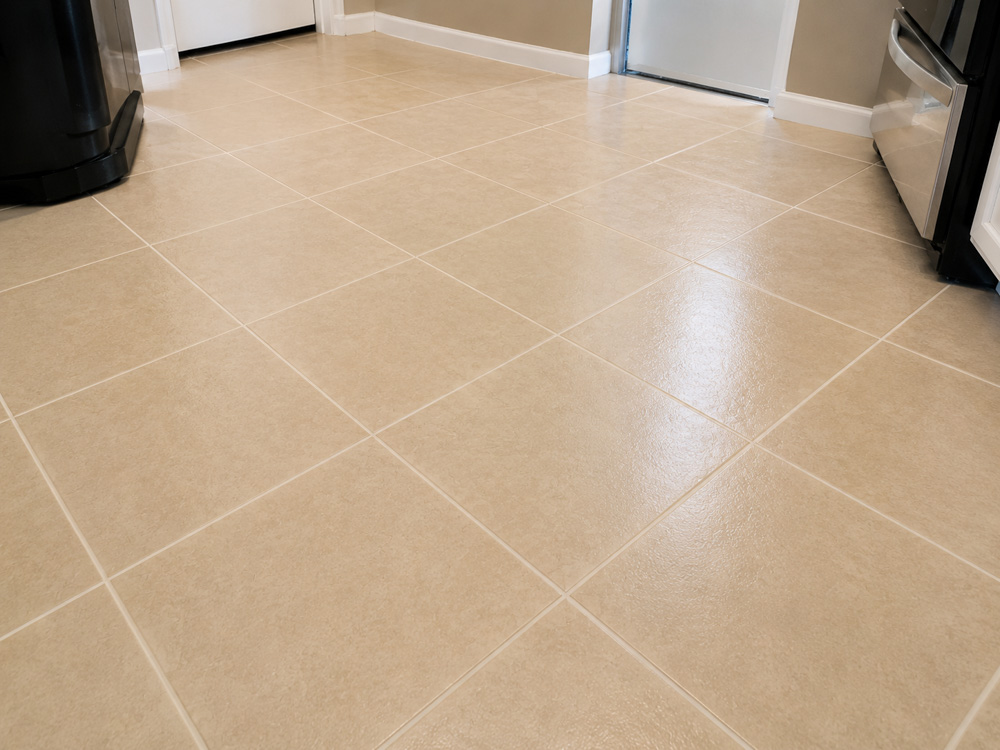
| Result | Uniform, stain-resistant grout color | The whole surface brought back to a like-new look |
What Does Professional Grout Cleaning Fix?
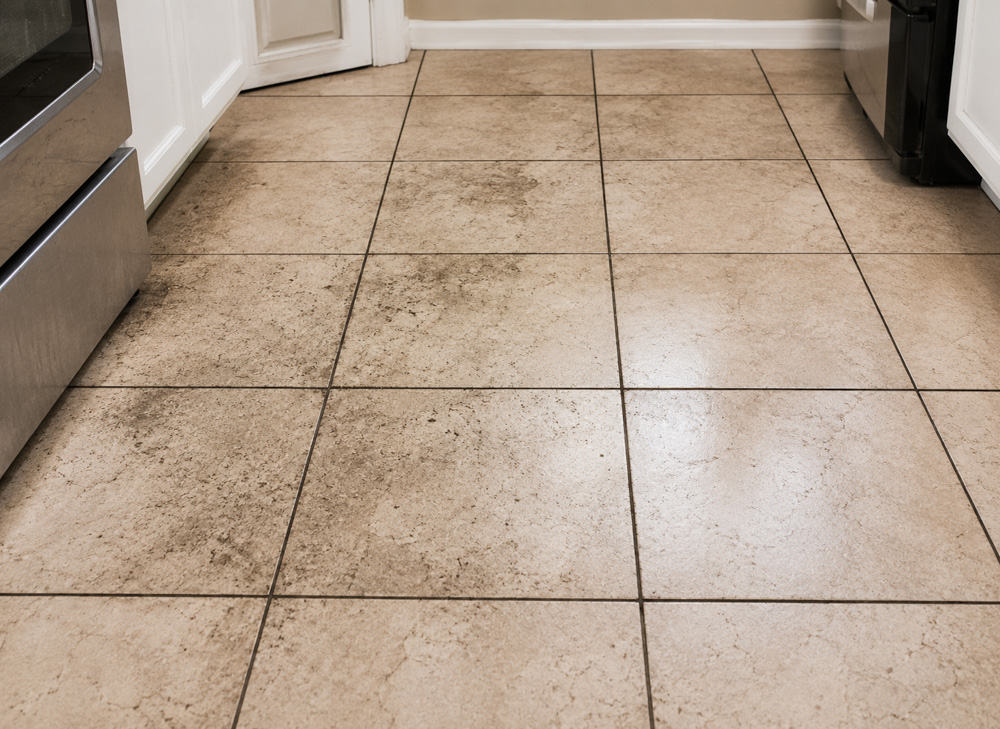
Grout is porous. Over time it absorbs mop water, soil, cooking grease, and hard-water minerals that household cleaners can't reach. Professional grout cleaning and color sealing lifts that buildup out, then locks in a uniform color that resists new stains. If your grout looks dirty but feels firm when you run a key along it, cleaning is usually the right starting point.
When Do You Need Full Grout Restoration?
Tile and grout restoration is for surfaces where the damage has gone deeper — mold that returns after every scrub, staining that has soaked through the grout, water damage, or a tile surface that simply looks tired and dated. Restoration treats those problem areas directly before the whole surface is sealed, so the result is even from wall to wall instead of patchy.
What If the Grout Is Crumbling?
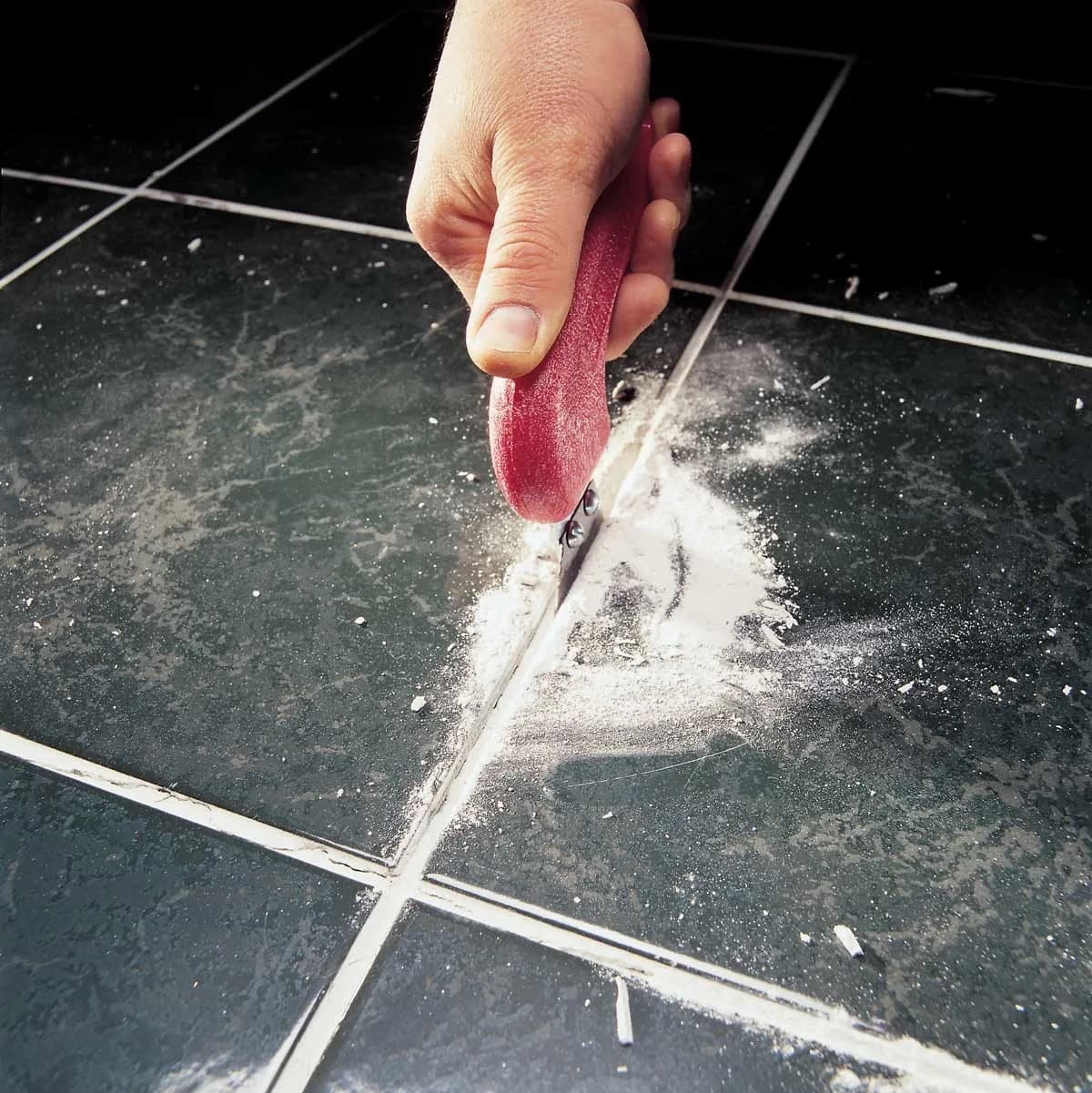
Neither cleaning nor restoration can rebuild grout that is cracked, sandy, or missing. Once lines are breaking down, re-grouting — removing the failing grout and installing fresh grout — is the fix that lasts.
Which One Should You Choose?
- Choose grout cleaning if the grout is firm, the tile is in good shape, and the issue is color and stains.
- Choose restoration if stains or mold keep coming back, or the whole surface looks worn.
- Choose re-grouting if grout is crumbling, cracked, or pulling away from the tile.
- Not sure? A free on-site assessment tells you which level fixes the problem — we always recommend the least invasive option that will actually work.
Thinking of doing it yourself first? Read our comparison of DIY grout cleaning vs. professional restoration.
Frequently Asked Questions
Is grout restoration the same as regrouting?
No. Restoration keeps your existing grout and brings it back through deep extraction, targeted treatment, and sealing. Regrouting removes the old grout and replaces it. Restoration is the right call when the grout is still structurally sound; regrouting is for grout that is crumbling or missing.
Will cleaning make old grout look new?
Often, yes — especially when it's paired with a color seal, which gives every grout line the same even color. The exception is grout that has physically broken down. No cleaning process can restore grout that is no longer there.
How do I know which service my tile needs?
Start with two quick checks: drag a key along a grout line (firm or sandy?) and look at whether stains return within days of cleaning. Then book a free assessment so a specialist can confirm it in person.
The Grout Restorer has served Winter Park homeowners since 1970. Owner Martin Cawley's team are tile and grout specialists — not a general cleaning crew. Browse completed jobs in our gallery.
Rated 4.9 stars on Google · Free on-site assessments · Mon–Sat, 8 AM–6 PM · 407-256-3522
Last updated: October 2026